
Sodium Metasilicate for Alkaline Metal Degreasing
Producers of alkaline degreasers and metal pretreatment chemicals qualify a silicate slowly and then buy it for years. The reason is that the bath sits upstream of plating, phosphating or painting, so anything the raw material brings with it — iron, insoluble matter, an out-of-range particle size — surfaces later as a rinse residue or a coating defect. This page covers what has to be confirmed before a grade is proposed, and where the limits of what we will claim actually sit.
Updated
Short answer
Anhydrous sodium metasilicate is the common choice for alkaline degreasing and metal pretreatment concentrates, where a high active per kilogram and low water content matter; pentahydrate is used where a milder dissolution profile suits the make-up method. Because the bath sits upstream of plating, phosphating or painting, iron and insoluble matter are the indicators that decide qualification — both grades offer Superior Fe ≤0.010% and are quoted against your own limits, with batch traceability from raw-material lot to finished bag.
How Sodium Metasilicate Is Used
- Alkaline soak and spray degreasing baths for steel components
- Pretreatment lines feeding phosphating, plating or paint systems
- Buffering component in built alkaline cleaner concentrates
- Electrolytic and ultrasonic cleaning formulations
- Rust-preventive alkaline wash stages between machining operations
Benefits for This Industry
- Low-iron requirements reviewed against the grade specification before quotation rather than after the first delivery
- Water-insoluble matter controlled per grade, which is what governs rinse residue on the finished part
- Defined mesh range so bath make-up dosing stays repeatable across deliveries
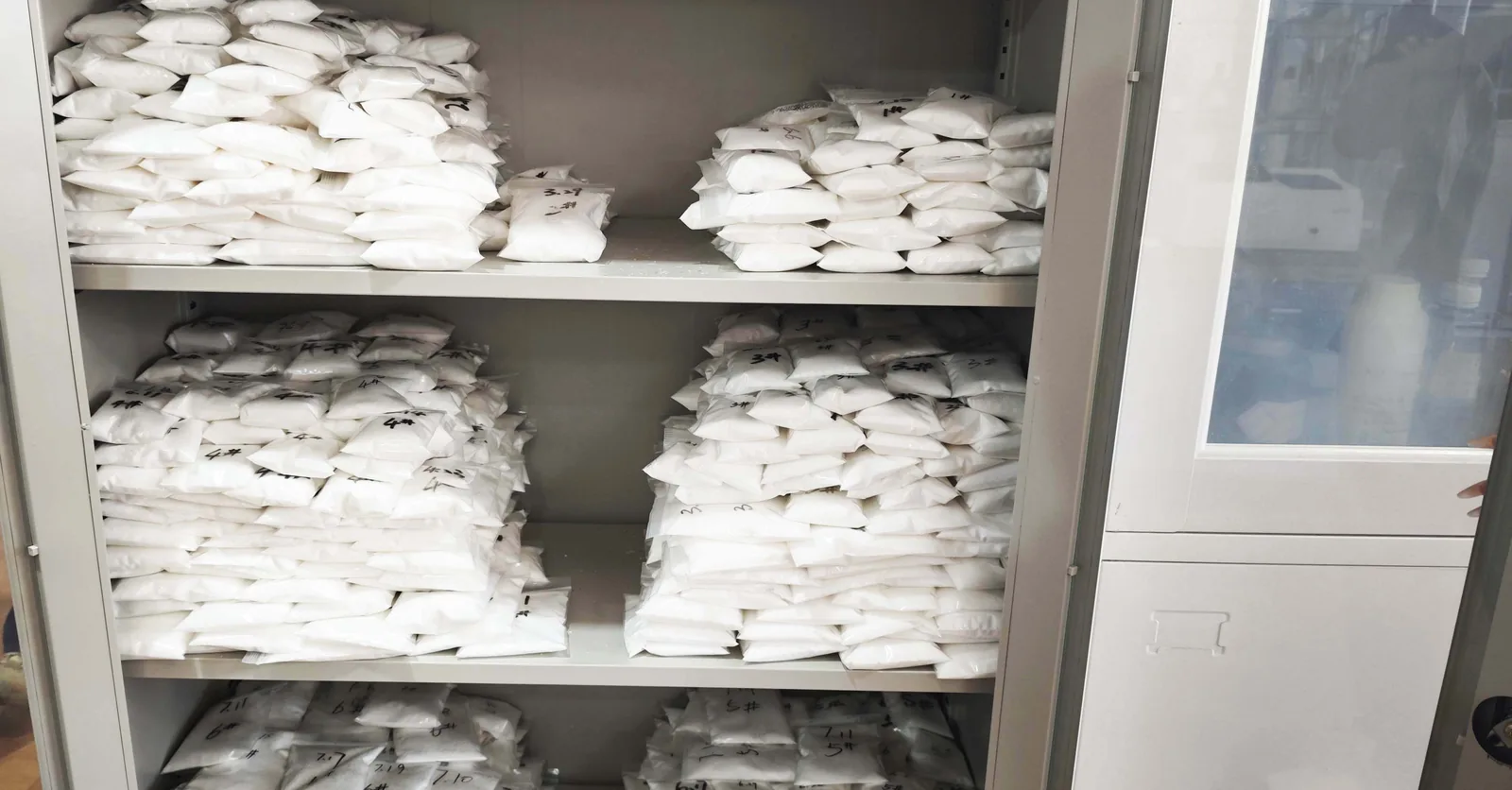
- Batch numbers carried through COA and retained samples, so a bath excursion can be traced to a specific lot
- Change notification on specification or process changes, so a requalification is never a surprise found in the incoming inspection
- Continuous-batch COA history available before the first order, so consistency can be checked against your internal control limits
How Our Sodium Metasilicate Supports This Application
| Formulation need | Product feature | Value to your line |
|---|---|---|
| High active, low water in the concentrate | Anhydrous grade | More active per kilogram for pretreatment concentrates |
| Clean rinse ahead of plating or paint | Iron ≤ 0.02% with controlled water-insoluble matter | Less residue that would become a coating defect downstream |
| Milder make-up dissolution profile | Pentahydrate hydrated grade | Controlled dissolution where the make-up method needs it |
| Trace a bath excursion to its source | Batch numbers through COA and retained samples | A bath problem traces back to a specific lot |
| No surprise requalification | Advance change notification on specification or process | Requalification is never first found at incoming inspection |
What We Need to Confirm Before Recommending a Grade
Grade selection for this application depends on your process, not on a catalogue number. Send these conditions with your enquiry and the recommendation comes back with the reasoning attached.
- Substrate
- Steel, galvanised, aluminium, brass or a mixed line — this is the first question, not a detail.
- Bath conditions
- Make-up concentration, operating temperature and working pH range of the degreasing stage.
- Iron and insolubles limits
- Your internal control limits for Fe and water-insoluble matter, and the test method behind them.
- Particle size and dissolution
- Mesh range and how the bath is made up — manual charging, automatic dosing or pre-dissolved concentrate.
- Rinse and residue requirement
- What the downstream stage tolerates, since plating and paint adhesion are decided by what survives the rinse.
- Qualification plan
- Coupon test method, trial batch size and the framework volume once the material is approved.
What this page does not claim
Performance in your formulation is established by your own trial, not by a supplier page. These are the limits we hold to.
- We do not warrant compatibility with aluminium, zinc or other amphoteric metals. Strong alkali attacks these substrates, and any use on them must be established by your own coupon testing at your bath conditions.
- No corrosion-inhibition performance is claimed. Where a formulation relies on inhibition, that has to be demonstrated in your system.
- We supply the specification, the batch data and the test method — not a conclusion about your bath. Substrate compatibility is determined by your coupon test.
- We do not recommend a bath formulation or dose rate on the strength of an industry name alone; process conditions come first.
- Low-iron supply is confirmed per order against current production, not offered as an always-in-stock catalogue item.
Anhydrous is the common choice where a high active per kilogram and low water content in the concentrate are wanted; pentahydrate is used where a milder dissolution profile suits the make-up method. Both are quoted against your iron and insolubles limits rather than against a generic grade name. Send the substrate, bath conditions and current specification and we will tell you which grade to put on the coupon test.
Confirm grade, monthly quantity, packing, destination port and buyer type on the RFQ form.
Ready to RFQ metal-degreasing grade
Prefer anhydrous for many degreasing formulas — confirm iron and insolubles. Include monthly MT, packing and port.
- Grade
- Monthly quantity (MT)
- Packing
- Destination port
- Documents needed