
Sodium Metasilicate for Ceramic Slurry & Casting Bodies
Ceramic plants use sodium metasilicate in body and glaze slurry where controlled alkalinity and electrolyte behaviour support slip stability. Grade selection follows water content, dosing method and iron limits — not a generic ceramics catalogue name.
Updated
Short answer
Ceramic plants use sodium metasilicate in body and glaze slurry for controlled alkalinity and electrolyte behaviour. The grade depends on crystal water, dosing method and iron limits: pentahydrate is the usual starting point for wet trials, anhydrous where crystal water must stay low, and granules where dust and hopper flow matter at the charging point. Zhongzhi Chemical supplies anhydrous, pentahydrate and granule grades from Changyi, Shandong. Buyer documents on Downloads are approved factory document pack v1: TDS, SDS, stamped COA samples, certificates and UN3253 hazmat files.
How Sodium Metasilicate Is Used
- Electrolyte in ceramic body slurry to hold alkalinity in a working band
- Casting-slip deflocculation support alongside the plant’s own deflocculant system
- Glaze slurry alkalinity aid where a silicate electrolyte is already in the recipe
- Trial substitution when a plant is comparing hydrate grades before a bulk order
Benefits for This Industry
- Three physical forms — pentahydrate, anhydrous and granules — quoted against the same RFQ
- Iron and water-insoluble matter controlled by grade, reported on the batch COA
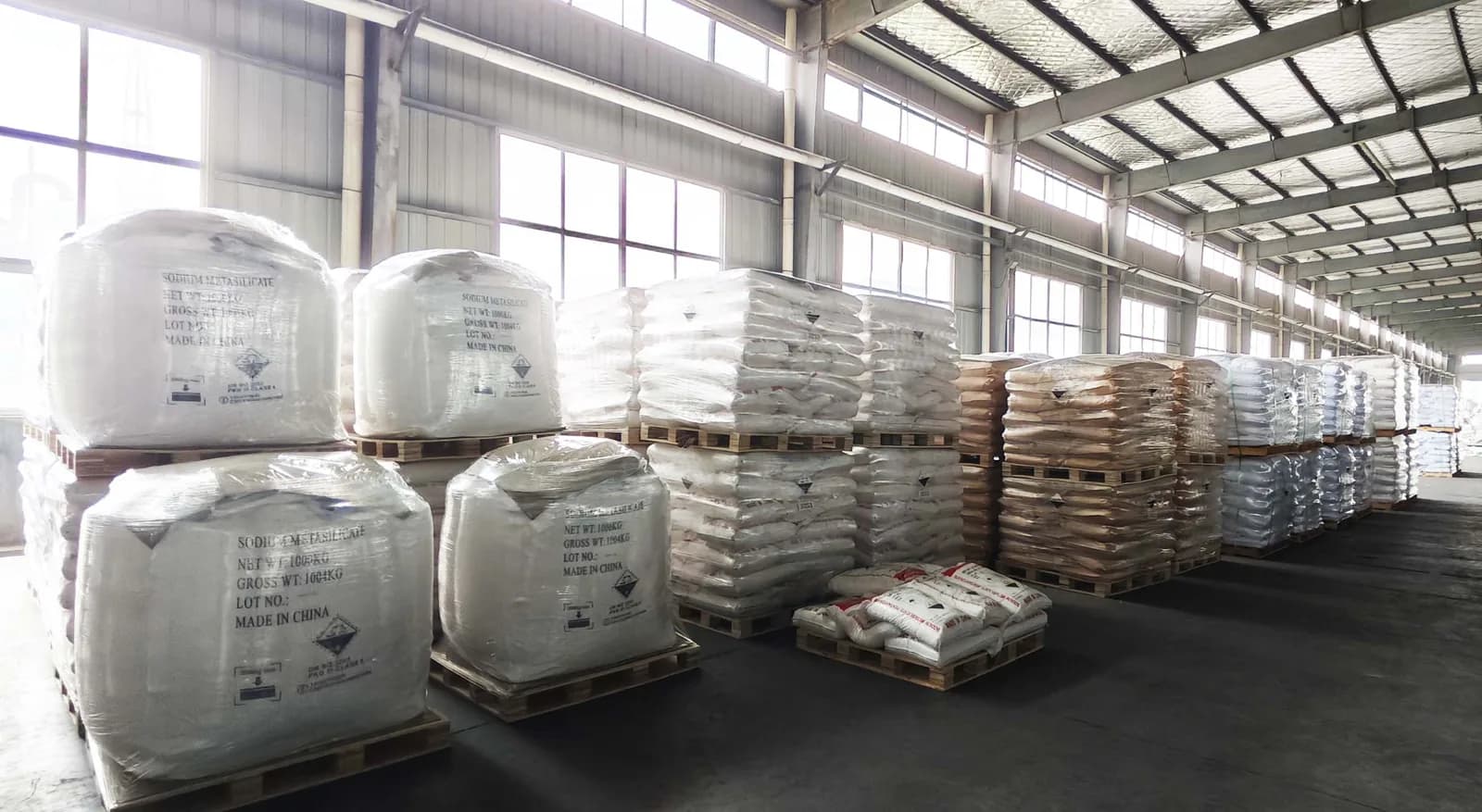
- Export packing in 25 kg bags and FIBC jumbo bags, confirmed before quotation
- Application RFQ fields: grade, monthly MT, packing, destination port and buyer type
How Our Sodium Metasilicate Supports This Application
Each formulation requirement mapped to the product property that meets it and the value it delivers.
| Formulation need | Product feature | Value to your line |
|---|---|---|
| Stable slurry alkalinity | Na₂O / active content published by grade | Electrolyte level can be matched to the hydrate and form you dose |
| Low discoloration in body or glaze | Iron limited by grade specification | Fe is controlled on the grade COA rather than assumed from a ceramics label |
| Flexible dosing at the mill or tank | Pentahydrate, anhydrous and granule forms | Form follows water content, dissolution and dust — not a single powder SKU |
| Buyer audit of incoming lots | Approved factory document pack v1 on Downloads | Approved pack v1 TDS, SDS, stamped COA samples, certificates and UN3253 hazmat files; shipment COA is issued per lot. |
See the material and how it ships
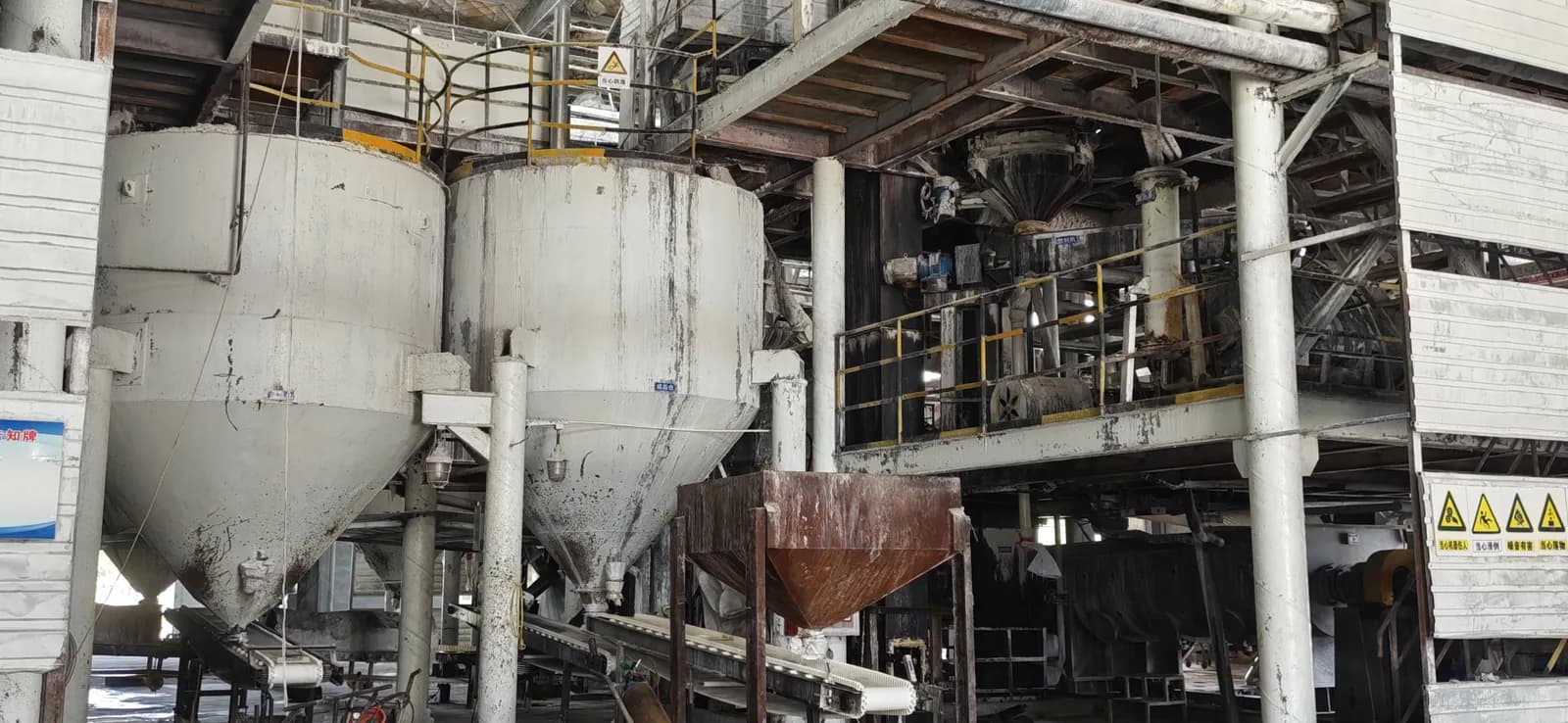
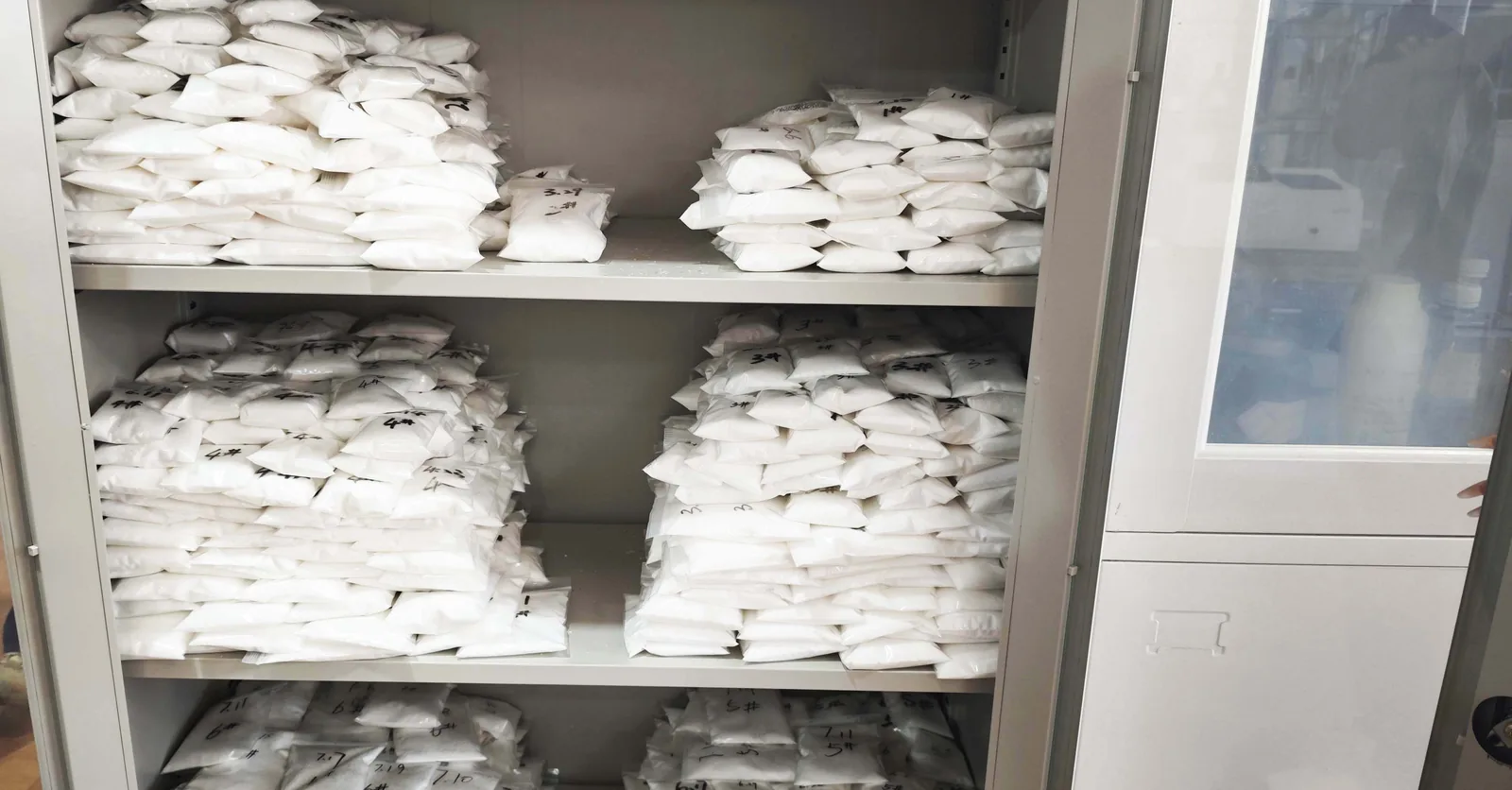
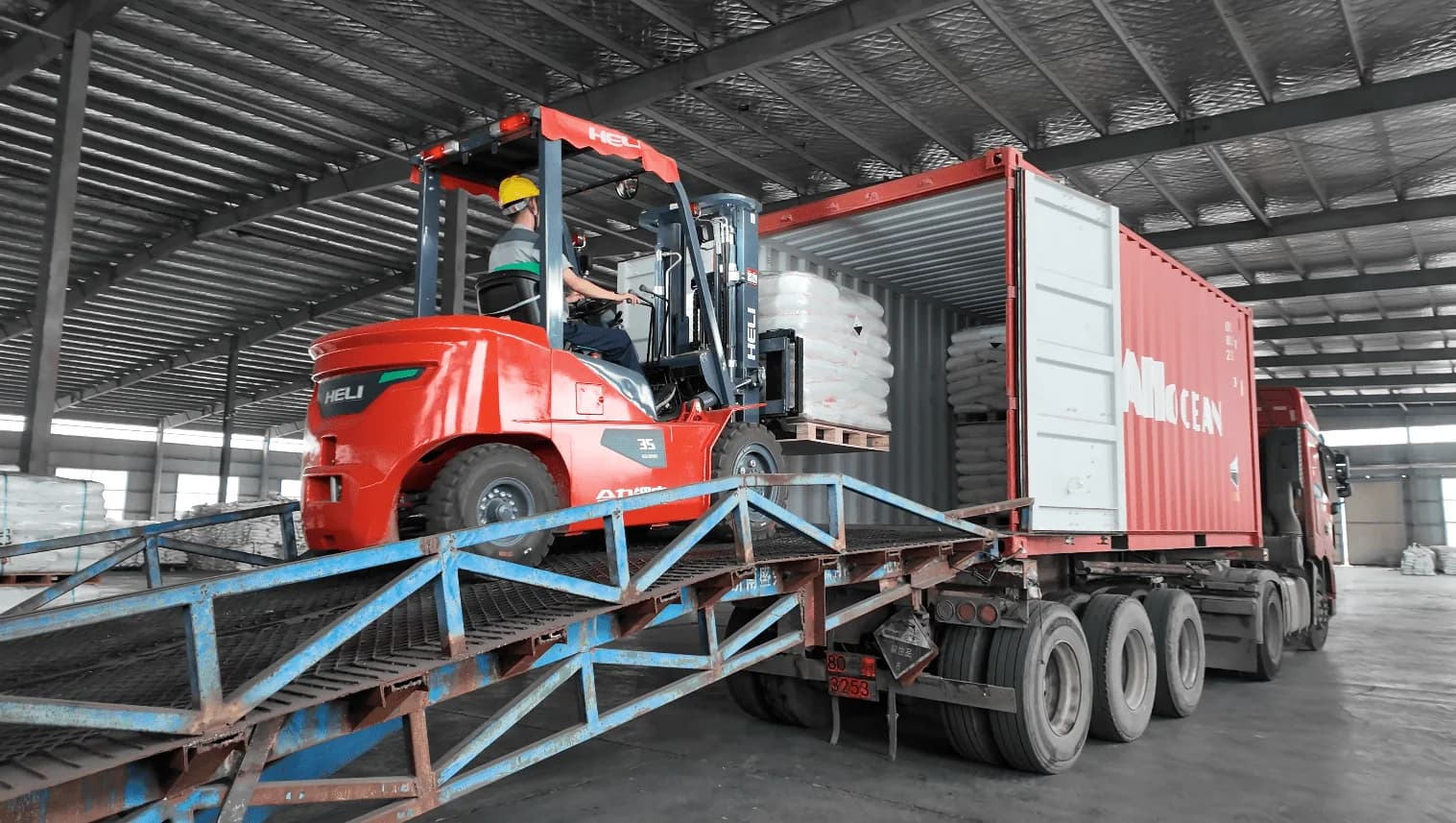
Real factory photos behind the supply — production, batch testing, finished-goods stock and container loading.
What We Need to Confirm Before Recommending a Grade
Grade selection for this application depends on your process, not on a catalogue number. Send these conditions with your enquiry and the recommendation comes back with the reasoning attached.
- Body vs glaze
- Whether the addition is for a body slurry, a casting slip, a glaze, or more than one stage.
- Target pH / package
- The working pH or alkalinity band, and whether metasilicate is the primary electrolyte or a support salt.
- Iron limit
- Your incoming Fe limit and whether shade or specking is a reject cause on the fired ware.
- Addition point
- Where it is charged — mill, make-up tank, or dry blend — which decides hydrate and granule vs powder.
- Monthly quantity and packing
- Expected monthly MT and whether you need 25 kg bags or FIBC for plant handling.
- Destination port
- Discharge port so packing, loading and freight basis can be checked before price.
What This Page Does Not Claim
Performance in your formulation is established by your own trial, not by a supplier page. These are the limits we hold to.
- We do not warrant casting yield, green strength, fired shade or scrap rate — those are plant-trial results.
- This is not a full deflocculant-system design. Sodium metasilicate may support electrolyte behaviour; the deflocculant package remains yours to qualify.
- Downloads publish approved factory document pack v1 only. Stamped COAs are typical samples — shipment COA is issued per lot. This page does not publish a lot number as if it were your shipment.
Product Recommendation
Start with pentahydrate for many wet body and glaze trials. Choose anhydrous where crystal water must stay low. Choose granules where dust and hopper flow dominate at the charging point. Send grade, monthly MT, packing and destination port — we reply to the RFQ within 12 hours.
RFQ Details for This Application
Application-based quotations should confirm grade, monthly quantity, packing, destination port and buyer type before price comparison.
- Grade
- Monthly quantity (MT)
- Application
- Buyer type
- Packing
- Destination port
Ready to RFQ for this application
A quotation needs grade, monthly quantity (MT), packing, destination port and buyer type. Send those with the RFQ and we reply within 12 hours.
- Grade
- Monthly quantity (MT)
- Application
- Buyer type
- Packing
- Destination port