
Sodium Metasilicate for the Detergent Industry
Detergent manufacturers use sodium metasilicate in powder and institutional cleaning formulations where alkalinity, particle form, color, iron content, and dissolution behavior affect production performance.
Updated
Short answer
In laundry, dishwashing and institutional cleaning powders, sodium metasilicate works as a phosphate-free alkaline builder: it raises and buffers wash pH, emulsifies oils and greases, sequesters water hardness, and protects metal wash parts from corrosion. Granular grade is preferred for free flow, low dust and reliable dosing on automated blending lines; anhydrous powder suits dry blends. Zhongzhi Chemical supplies detergent-grade sodium metasilicate anhydrous from China at SiO₂ 45.0–48.0% and Na₂O 50.0–51.5%. Iron is typical ≤100 ppm on the anhydrous forms, not a specification. COA, SDS, TDS and EU REACH documentation for CAS 6834-92-0 are available for buyer review. That file does not cover sodium metasilicate pentahydrate, CAS 10213-79-3.
Identity & supply
Zhongzhi Chemical sodium metasilicate. Grade is optional on the RFQ.
- Anhydrous CAS
- 6834-92-0
- Pentahydrate CAS
- 10213-79-3
- Transport (typical SDS)
- UN3253, Class 8, PG III — verify current SDS
- HS
- 2839.11 (CN 28391100 series)
- Packing
- 25 kg PP woven bags with PE liner; 1,000 kg FIBC
- MOQ / lead time
- Confirmed on RFQ against destination and grade
How Sodium Metasilicate Is Used
- Alkaline builder in laundry and dishwashing powder formulations
- Oil emulsification and soil deflocculation during wash cycles
- Phosphate-free and eco-label detergent builder systems
- Automated blending lines using free-flowing granule grade
Benefits for This Industry
- Whiteness ≥90.0 is specified on anhydrous granular, anhydrous powder and pentahydrate powder; pentahydrate granular whiteness is ≥85.0. Iron is a typical value.
- Uniform granule size for consistent automated dosing
- COA, MSDS, TDS and packing details available for review
- Bulk shipment review based on grade, packing, quantity, and destination
How Our Sodium Metasilicate Supports This Application
| Formulation need | Product feature | Value to your line |
|---|---|---|
| Alkalinity to break down oily and greasy soils | High Na₂O/SiO₂ content with strong pH buffering | Stable high wash pH that saponifies fats and lifts soils |
| Phosphate-free / eco-label compliance | Silicate builder with no phosphate | Replaces or reduces STPP to meet phosphate limits and eco-labels |
| Consistent cleaning in hard-water regions | Sequesters calcium and magnesium hardness | Predictable wash performance across different water supplies |
| White powder appearance | Anhydrous Fe is typical ≤100 ppm; whiteness ≥90.0 is the specification | Order the iron band the powder needs; the batch COA is the incoming check |
| Reliable automated dosing | Uniform granule size, free-flowing, low dust | Accurate metering and cleaner, less-blocked blending lines |
| Procurement and export compliance | COA, SDS and EU REACH file for CAS 6834-92-0 | The published REACH file covers this anhydrous identity only. Pentahydrate, CAS 10213-79-3, needs a separate compliance review. |
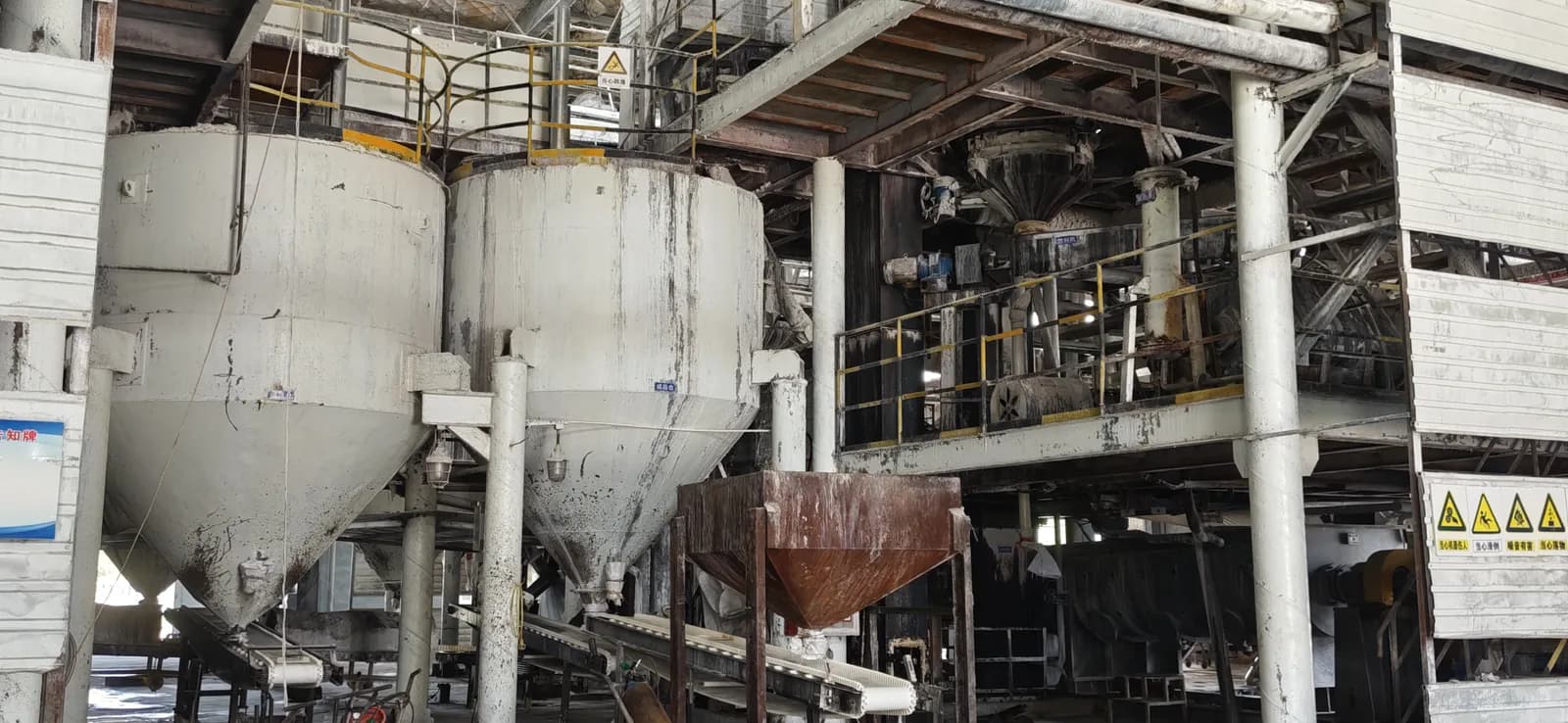
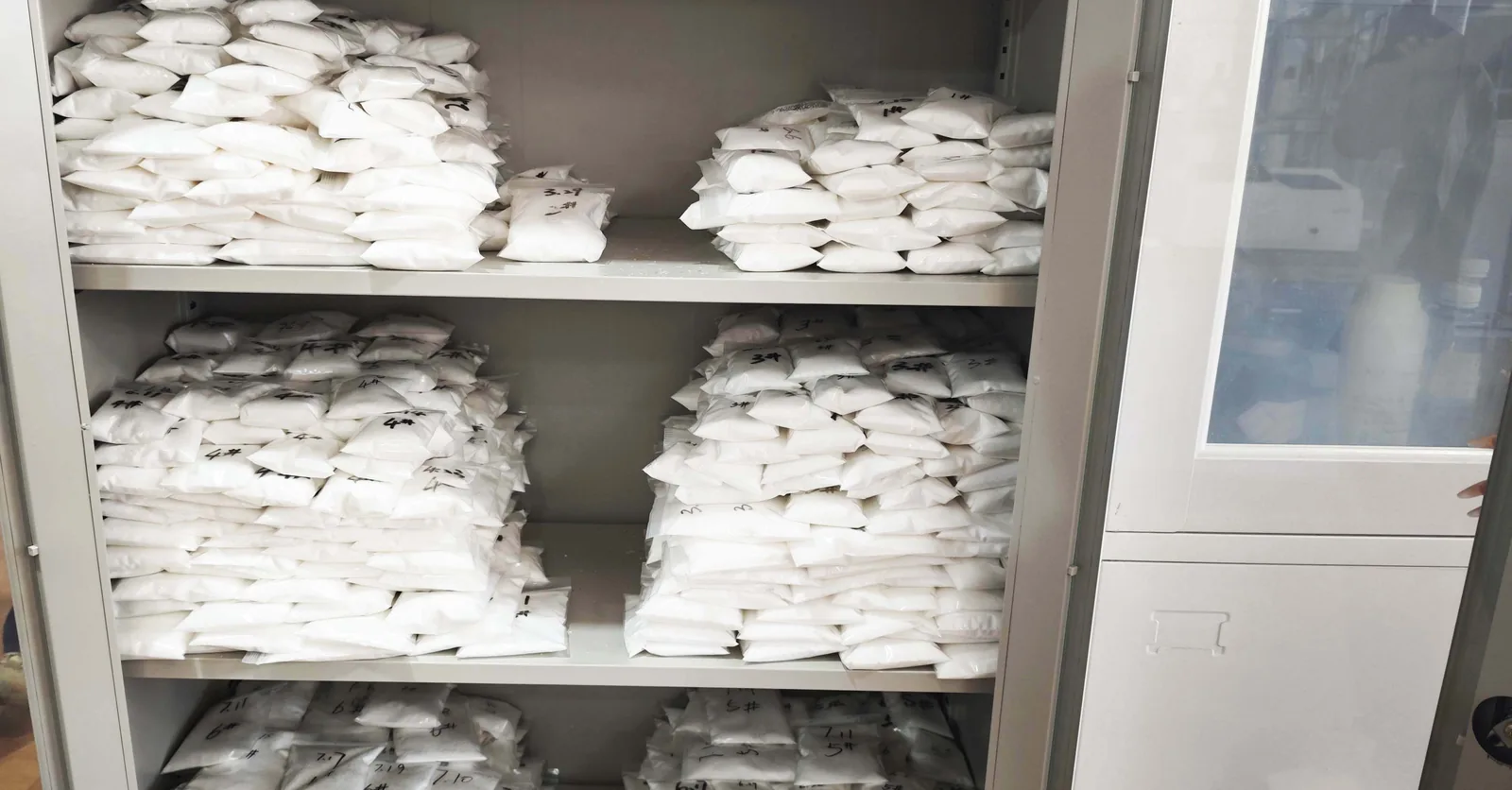
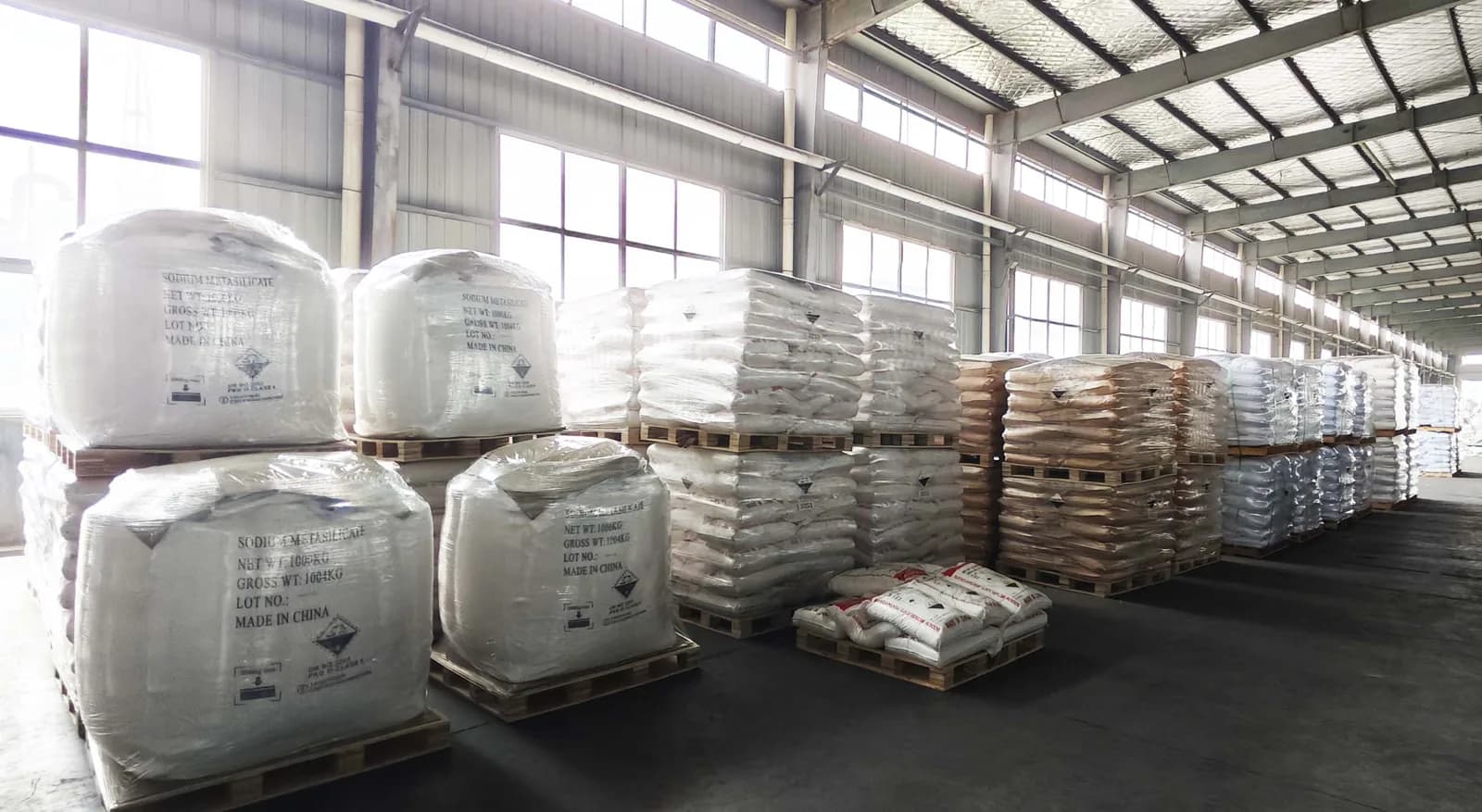
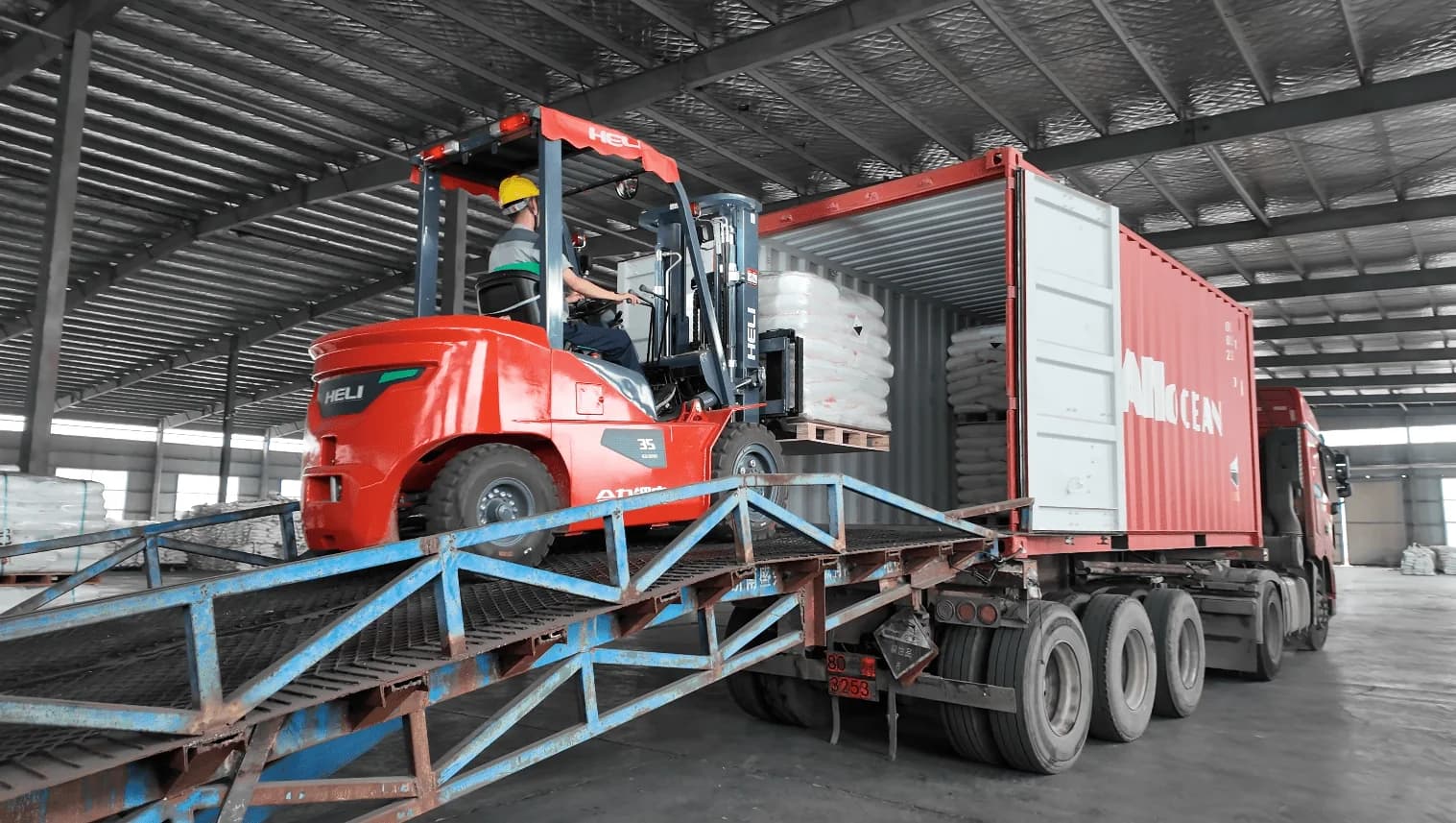
Sodium metasilicate granules are our highest-output grade — recommended for most powder detergent lines. Anhydrous suits low-moisture dry blends.
Confirm application, monthly quantity, packing, destination port and buyer type on the RFQ form.
Ready to RFQ for this application
A quotation needs application, monthly quantity (MT), packing, destination port and buyer type. Grade is optional. Send those with the RFQ and we reply within 12 hours.
- Grade
- Monthly quantity (MT)
- Packing
- Destination port
- Documents needed
FAQ
When should a powder-detergent line switch from granules to anhydrous?
Keep granules on a laundry or dishwashing powder line that meters a free-flowing solid and cares about dust at the hopper. Move to anhydrous when the dry mix has to stay low in moisture and alkalinity per tonne matters more than hopper flow — a low-water powder blend, not a standard automated detergent line. The builder chemistry does not change; particle form and water content do. Put the blend type, grade, monthly MT, packing and discharge port on the RFQ so the quotation matches the line you run.
How do we dissolve it, and what do we check if a bag has caked?
Feed it into water that is already moving. A full bag dropped into a still tank can set into lumps that then take much longer to clear, so charge order and agitation matter more than a faster mixer. The solid picks up moisture: a torn liner, an open bag, or a humid store is the usual reason a lot hardens in transit or at the plant. Do not crush a caked bag and dose it. Quarantine the lot, check the liner and warehouse humidity, and send the batch number with grade, monthly MT, packing and port if you need that shipment reviewed.
How does it sit next to STPP and soda ash?
Sodium metasilicate is a phosphate-free alkaline builder: it buffers wash pH and supports oil emulsification. It does not copy STPP’s hardness sequestration, and it is not a weight-for-weight stand-in for soda ash, which supplies carbonate alkalinity only. A phosphate-limited formula usually keeps a hardness-control salt you already qualify — soda ash, citrate, polymer or zeolite — beside the silicate, rather than dropping one builder in for the other. Soil removal, finished whiteness and enzyme compatibility are plant-trial results; we do not guarantee them. Send grade, monthly MT, packing and port when you are ready to trial a lot.
What mesh and flow should we specify for automated dosing?
Detergent granules are specified at particle size 250–1000 μm (60–18 mesh) ≥95.0%. Granules: pass coarse sieve / retain fine sieve. Anhydrous powder is specified as passing 425 μm (40 mesh) ≥90.0% and passing 250 μm (60 mesh) ≥90.0%. Name the form, monthly MT, packing and port. A different window is not a published specification.
How do we read iron on the batch COA?
Iron is a typical value, not a specification. Anhydrous forms are typical ≤100 ppm. Pentahydrate forms are typical ≤80 ppm. Whiteness is the specification to name for a white detergent: ≥90.0 on anhydrous granular, anhydrous powder and pentahydrate powder, and ≥85.0 on pentahydrate granular. The COA reports specification rows.
What packing is usual for a detergent plant?
Zhongzhi Chemical packs detergent-grade sodium metasilicate in 25 kg bags with a liner, or in 1,000 kg FIBC jumbo bags where the plant charges from a bulk hopper. Palletised and loose loading are confirmed before quotation because they change the tonnes in a container. State grade, monthly MT, packing and destination port on the RFQ.