
Sodium Metasilicate Packaging & Container Loading
How much goes in a container depends on the bag, the pallet and the grade — not on a single number. Confirm packing options, pallet build and 20GP loading at the RFQ stage, before the price is agreed.
Packing Options
Sodium metasilicate is hygroscopic. Every option below is built around keeping moisture out first, and handling cost second.
25 kg bag
PP woven outer bag + sealed moisture-barrier inner liner
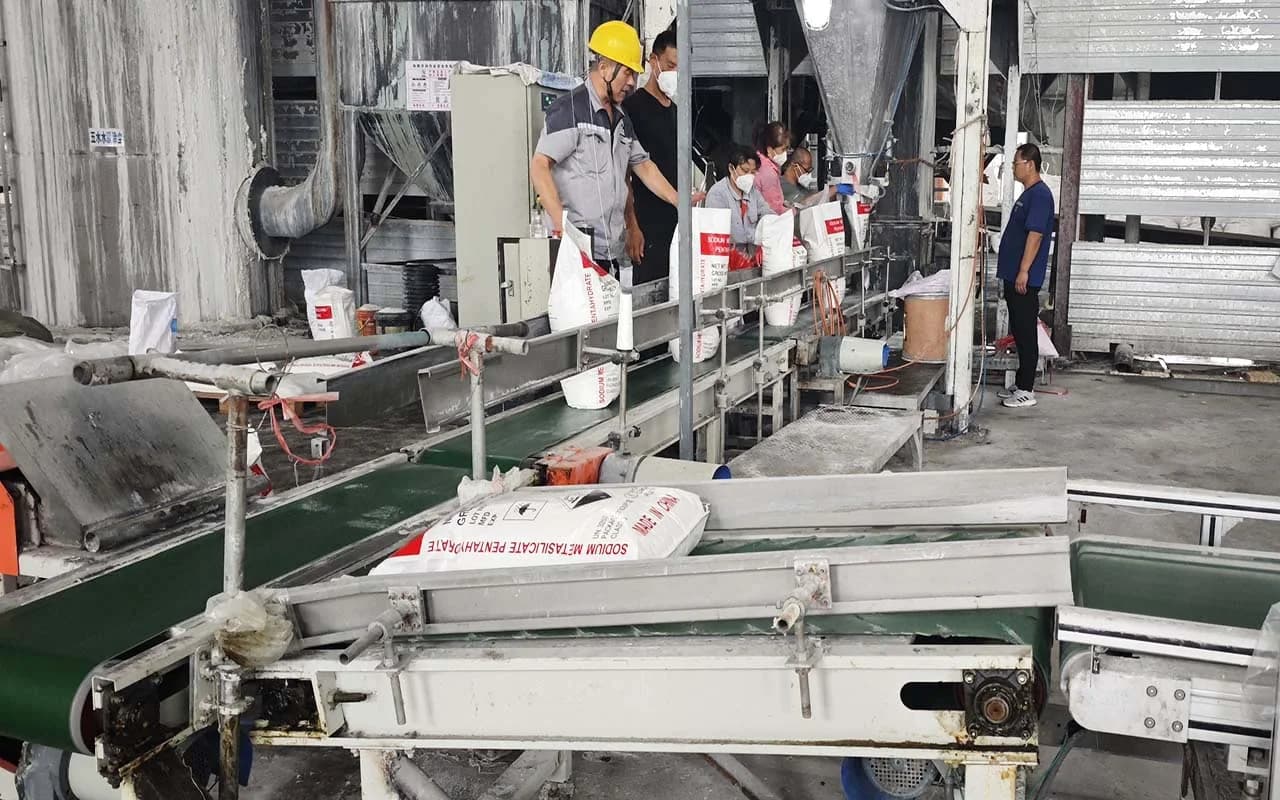
The standard export pack. Filled, weighed and sealed on a manual line, so alternative fill weights can be produced to order rather than only the standard 25 kg.
Manual handling, distribution, repacking and end-user charging
FIBC jumbo bag
~1,000 kg standard fill; up to 1.2 t subject to material and safety review
Used by bulk industrial consumers who charge from a hoist or hopper. Fill weights above the standard 1 t are confirmed against bag construction and handling assessment before they are quoted.
Bulk consumers, repackers, automated charging
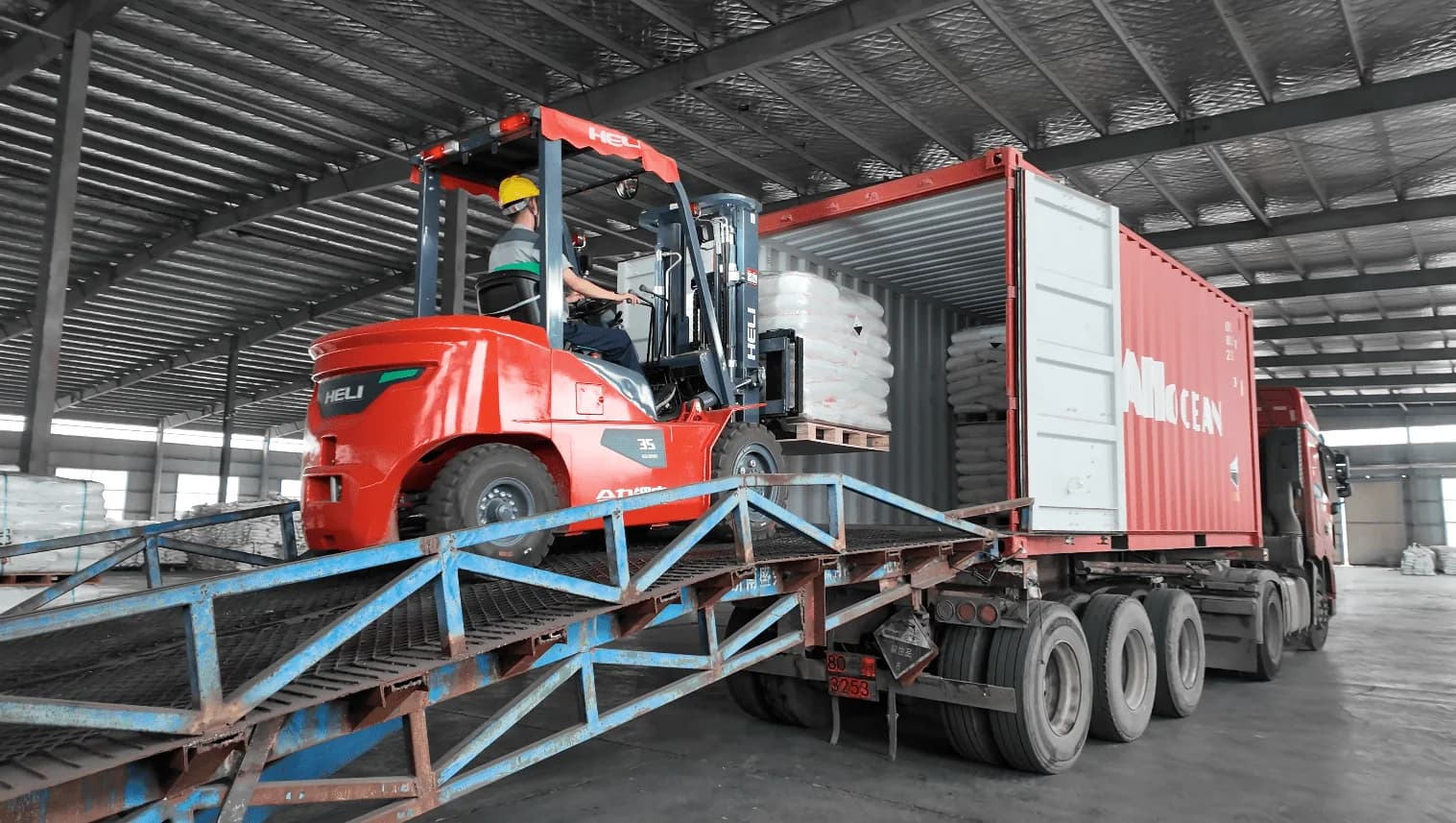
Palletized + stretch wrapped
Plywood or timber pallet, stretch wrap, corner protection and strapping available
Cuts forklift damage and speeds discharge at the receiving end. It also lowers the net weight a container can carry, so it is a trade-off between handling cost and freight cost rather than a free upgrade.
Buyers discharging by forklift or with limited manual labour
Pallet Build & 20GP Loading Reference
Anhydrous carries more product per pallet than pentahydrate, so the container figure moves with the grade even when the packing is identical.
| Grade | Bags per pallet | Gross per pallet | 20GP reference |
|---|---|---|---|
| Pentahydrate | 44 × 25 kg | ≈ 1.1 t | 20 pallets ≈ 22 t in a 20GP |
| Anhydrous | 48 × 25 kg | ≈ 1.2 t | 20 pallets ≈ 24 t in a 20GP |
| Loose loaded (no pallets) | 25 kg bags loaded loose, without pallets | — | 20GP ≈ 27 t |
Loose loading gives the highest net weight per container but takes longer to load and to discharge, and offers less protection against bag damage in transit.
These are planning references, not a booking commitment. The quantity that actually ships is confirmed against the container weight limit, the destination port and the carrier’s requirements before booking. Send the destination port with your enquiry and the loading plan can be checked at quotation rather than at the terminal.
Loading Procedure
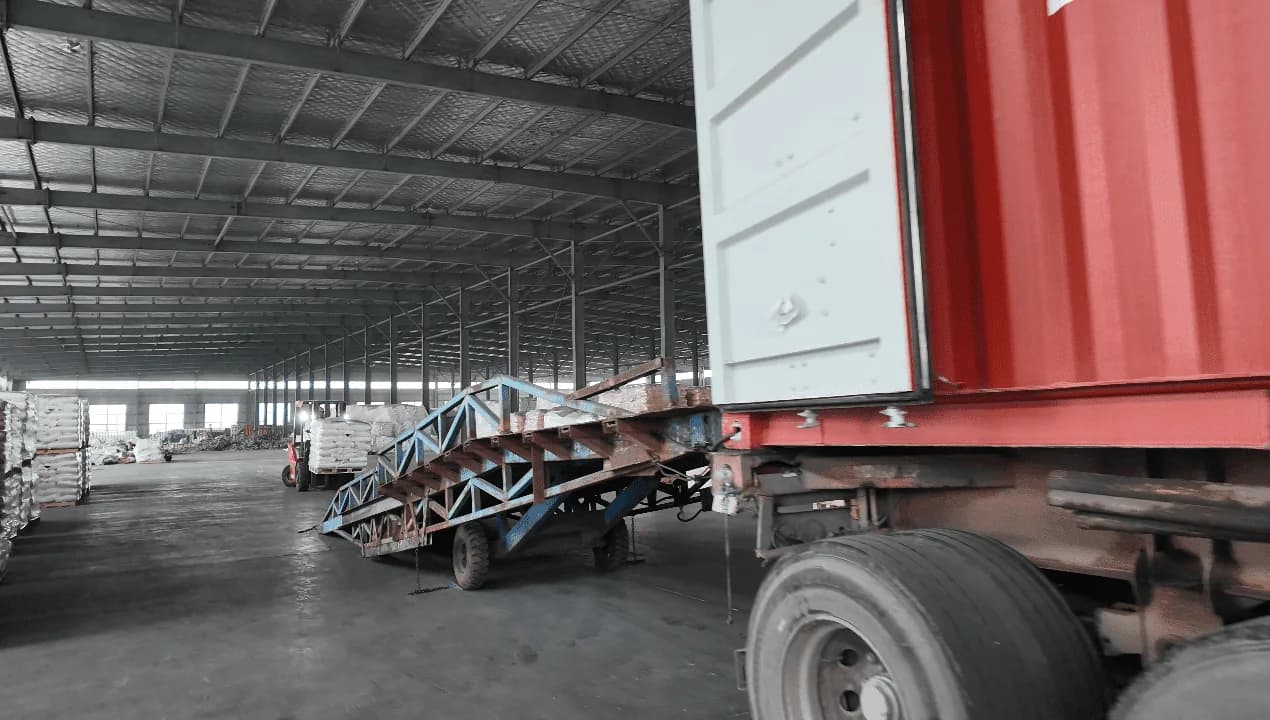
Loading starts with an empty-container check and ends with a seal number in the shipment file.
- 01
Inspect the empty container
Dry, clean, odour-free and undamaged before anything is loaded.
- 02
Verify the goods
Product, batch number, packing, quantity and labelling checked against the order.
- 03
Plan the stow
Weight distributed evenly; pallet or loose positions and securing decided before loading starts.
- 04
Protect during loading
Rain protection, bag-damage control and forklift impact control throughout the operation.
- 05
Check and record
Photographs taken, quantity re-counted, batch distribution recorded for the shipment file.
- 06
Seal and release
Seal number recorded and matched to the shipping documents.
Storage & Handling
- Storage
- Cool, dry and ventilated. First in, first out. Kept away from acids and incompatible materials.
- Handling
- Check the bag is intact before moving. Do not drag; avoid tearing and rain exposure. PPE per the SDS.
- Charging
- Add slowly into moving water with agitation, control dust, and reseal an opened bag immediately.
- On damage
- Severe caking, water ingress, discolouration or abnormal insolubles: quarantine and re-test. Crushing a hardened bag and using it anyway is not an acceptable remedy.
What Gets Priced Separately
Packing choices carry their own cost lines. They are quoted individually rather than buried in the product price, so a like-for-like comparison against another supplier stays possible.
- Pallets and stretch wrapping, quoted per pallet as a separate line rather than absorbed into the product price
- Custom or OEM printed bags — plate-making and a minimum order quantity apply to the bag itself
- Inland haulage to the port of loading
- Port and terminal charges
- Dangerous-goods packaging and marking where the destination requires it
Packaging & Loading FAQ
How much fits in a 20GP container?
Pallets or no pallets?
What is the standard export packing?
Can you print our own bags?
Which bag colour corresponds to which grade?
How is it classified for shipping?
What is the normal lead time?
The bags arrived caked. What now?
Get a Loading Plan With Your Quotation
Send the grade, quantity, packing preference, pallet requirement and destination port, and the loading plan is confirmed together with the price instead of afterwards.