
Sodium Metasilicate Pentahydrate Market — Buyer Guide
What moves sodium metasilicate pentahydrate quotations: grade, FCL volume, packing and freight — reviewed by an experienced Shandong export manufacturer.
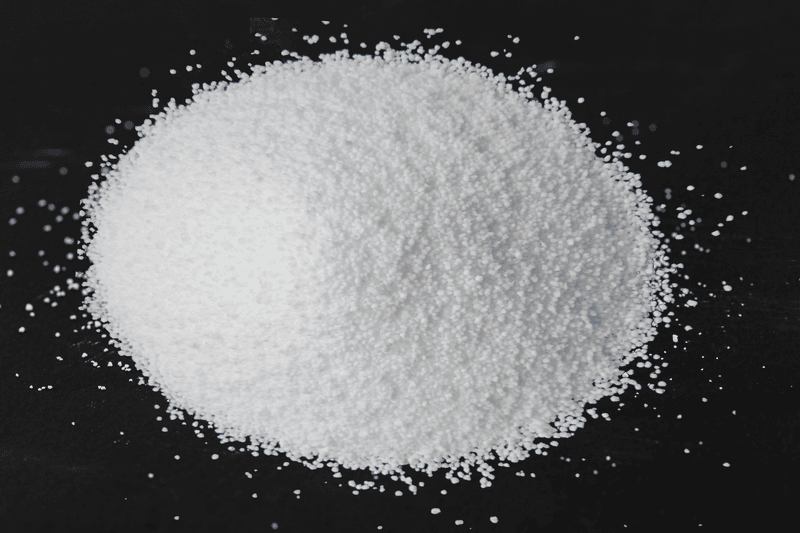
How buyers should read the sodium metasilicate pentahydrate market
The sodium metasilicate pentahydrate market is not one universal price list. Industrial cleaning formulators, water-treatment chemical producers, textile processors, distributors and other buyers may request different specifications, packing and shipment terms. Market research should therefore begin with the exact buying requirement.
Search results and market summaries can indicate that suppliers and demand exist, but they do not confirm a usable delivered price. Procurement teams need a dated quotation tied to product specification, order volume, destination and validity period before using it for budgeting or supplier comparison.
Define the buying specification before requesting market prices
Pentahydrate should not be compared with anhydrous sodium metasilicate or granules as if the forms were interchangeable. Hydration state, physical form, handling and dissolution requirements can affect application fit. Confirm the selected grade with the technical team before asking the purchasing team to benchmark prices.
If the buyer is replacing an existing source, provide the current TDS, COA or internal specification for review. The supplier can then identify whether its standard grade appears suitable for testing or whether additional confirmation is required.
- Product name, formula and required physical form
- Na2O, SiO2, appearance, Fe and insoluble-matter requirements
- Application and dissolution or handling expectations
- Bag, pallet, label and moisture-protection requirements
- Required TDS, SDS/MSDS, COA and certificate files
Main drivers behind a pentahydrate quotation
A sodium metasilicate pentahydrate price reflects more than the material name. Specification, order size, production schedule, bag construction, palletization, private labeling, loading plan and document requirements can change the commercial offer. FOB and CIF quotations also allocate logistics costs differently.
Freight and destination charges may change independently of the product value. For this reason, a pentahydrate price trend should be recorded with the quotation date, Incoterm, destination, validity and shipment window. Comparing figures without that context can produce a misleading purchasing conclusion.
Build a quotation comparison that procurement can audit

Use one comparison sheet for every shortlisted supplier. Normalize the technical and commercial fields before ranking offers. Mark missing information as an open item rather than assuming it is included.
- Grade and confirmed specification
- Quantity per shipment and expected annual volume
- Packing, pallet and labeling configuration
- Loading quantity and Incoterm
- Destination port and freight basis
- Documents, sample support and quotation validity
- Payment terms and requested shipment date
Quality documents and sample approval
Initial technical review normally uses the supplier's TDS, SDS or MSDS, sample COA and a representative sample. The buyer should test the sample in the intended formulation or process before a volume order. Any customer-specific limit should be confirmed as part of the purchasing specification.
The sample COA is evidence for the reviewed sample, not a guarantee that every future batch will have identical numerical results. Define the agreed specification range and request a batch COA for the actual shipment.
Supply continuity and contract planning
Recurring buyers should evaluate how order forecasts, production timing and shipment cadence will be communicated. A supplier may use forecast volume for planning, but each order still requires a confirmed specification, quotation, lead time and purchase commitment.
Annual contracts should state how commercial reviews, packaging changes and document requirements are handled. Buyers should avoid assuming that an indicative annual price remains fixed when freight, packing or commercial conditions change.
Inventory, packaging and delivered cost
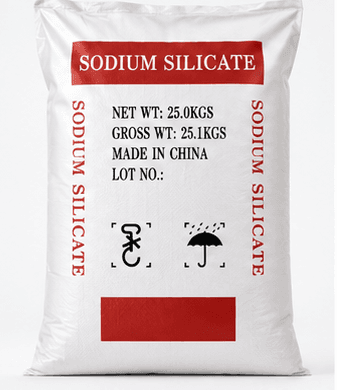
Purchase price must be considered together with safety stock, warehouse conditions and expected consumption. Ordering too little can expose production to delay, while ordering too much can increase working capital and storage risk. The appropriate inventory policy depends on consumption, lead time and the buyer's operating conditions.
Confirm bag size, liner, palletization and loading plan before calculating delivered cost. The cheapest per-ton offer may not be the best operational choice if the packaging does not suit the warehouse or production line.
Pentahydrate buyer RFQ checklist
Send a complete and consistent RFQ to obtain a quotation that can be used for technical and commercial approval. If price monitoring is required, keep the specification and quotation basis unchanged across review dates.
- Application and target pentahydrate specification
- Trial, FCL or annual quantity
- Bag, pallet, label and marking requirements
- Destination port, Incoterm and shipment window
- TDS, SDS/MSDS, sample COA, batch COA and certificates required
- Current product reference or COA used for comparison
- Quotation validity and payment-term request
FAQ
What affects the sodium metasilicate pentahydrate market price?
Can buyers use an online pentahydrate price as a purchase benchmark?
Which specification items should pentahydrate buyers review?
How can buyers reduce pentahydrate supply risk?
What should be included in a pentahydrate RFQ?
Ready to RFQ
A quotation needs grade and monthly quantity (MT), plus packing, destination port and buyer type. The form will not submit without these. Approved TDS, SDS and stamped COA samples are on Downloads; a shipment COA is issued per order. No prices are shown on the form.
- Grade
- Monthly quantity (MT)
- Packing
- Destination port
- Documents needed
Prefer WhatsApp? +86 176 8588 0260